September 17, 2026
\Renting a waste bin simplifies large home cleanouts, renovation projects, and yard work, but tossing everything into the bin without checking regulations can lead to costly penalties. Understanding local waste management guidelines ensures smooth disposal without unexpected fees or hazardous situations. A professional residential dumpster service provides a convenient way to clear out unwanted items, yet strict rules govern what materials can safely enter landfills.
Before tossing items over the edge, homeowners need to know which materials are acceptable and which require specialized disposal methods. Knowing these rules saves time, prevents safety hazards, and keeps your cleanup project completely compliant.
Navigating Waste Rules With a Residential Dumpster Service
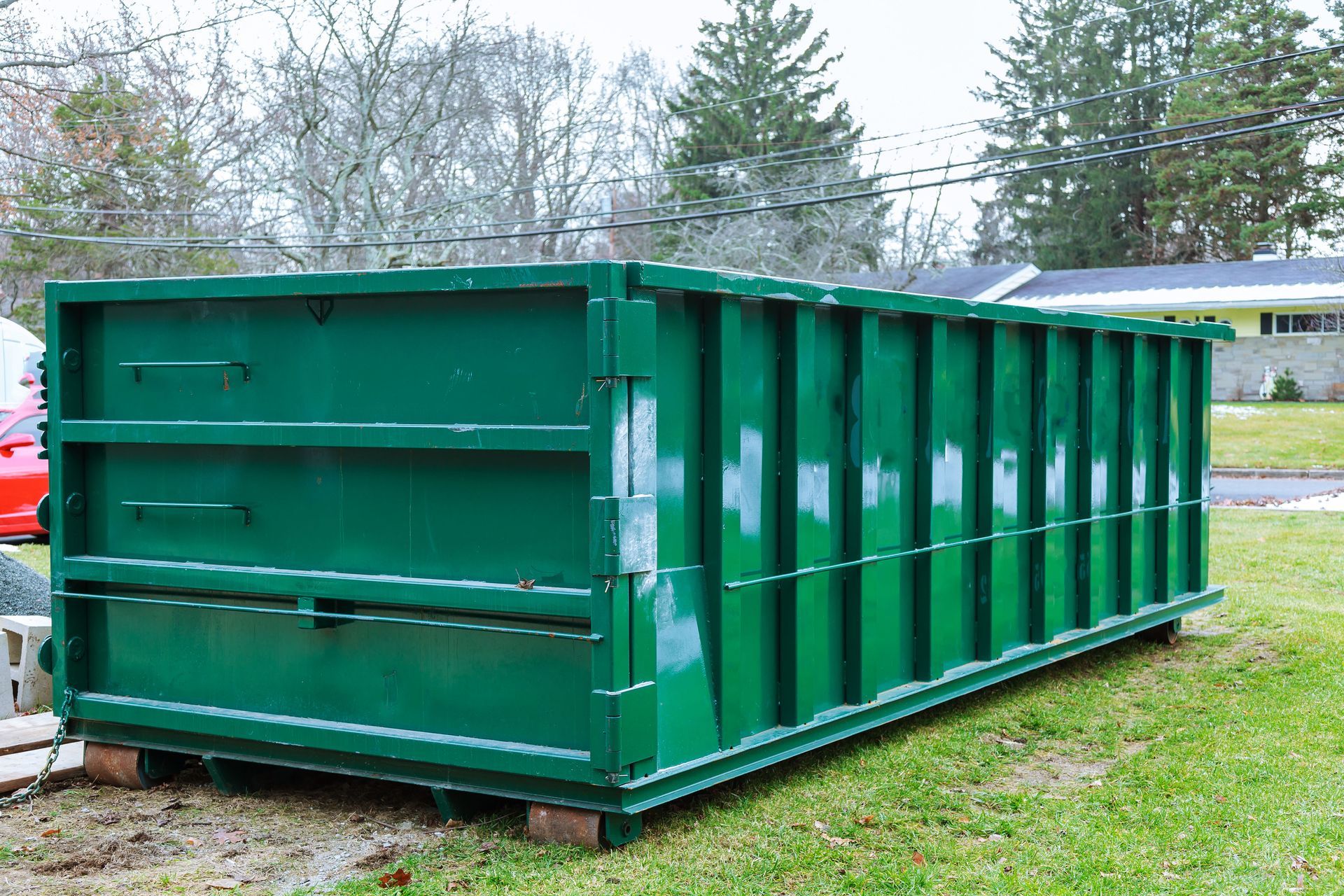
Every municipality maintains specific guidelines regarding what materials belong in a standard cleanup bin. Securing a residential dumpster service helps streamline major decluttering efforts, but users must remain aware of local restrictions. Standard non-hazardous materials generated during routine household overhauls are generally permitted without issue. However, landfill restrictions aim to prevent environmental contamination, structural damage to machinery, and chemical reactions during transport.
Understanding these operational boundaries protects both the environment and the equipment operators. Taking time to review waste policies before filling the container prevents tedious unloading tasks later and ensures your project proceeds smoothly from start to finish.
Efficiently Sorting Acceptable Household Debris
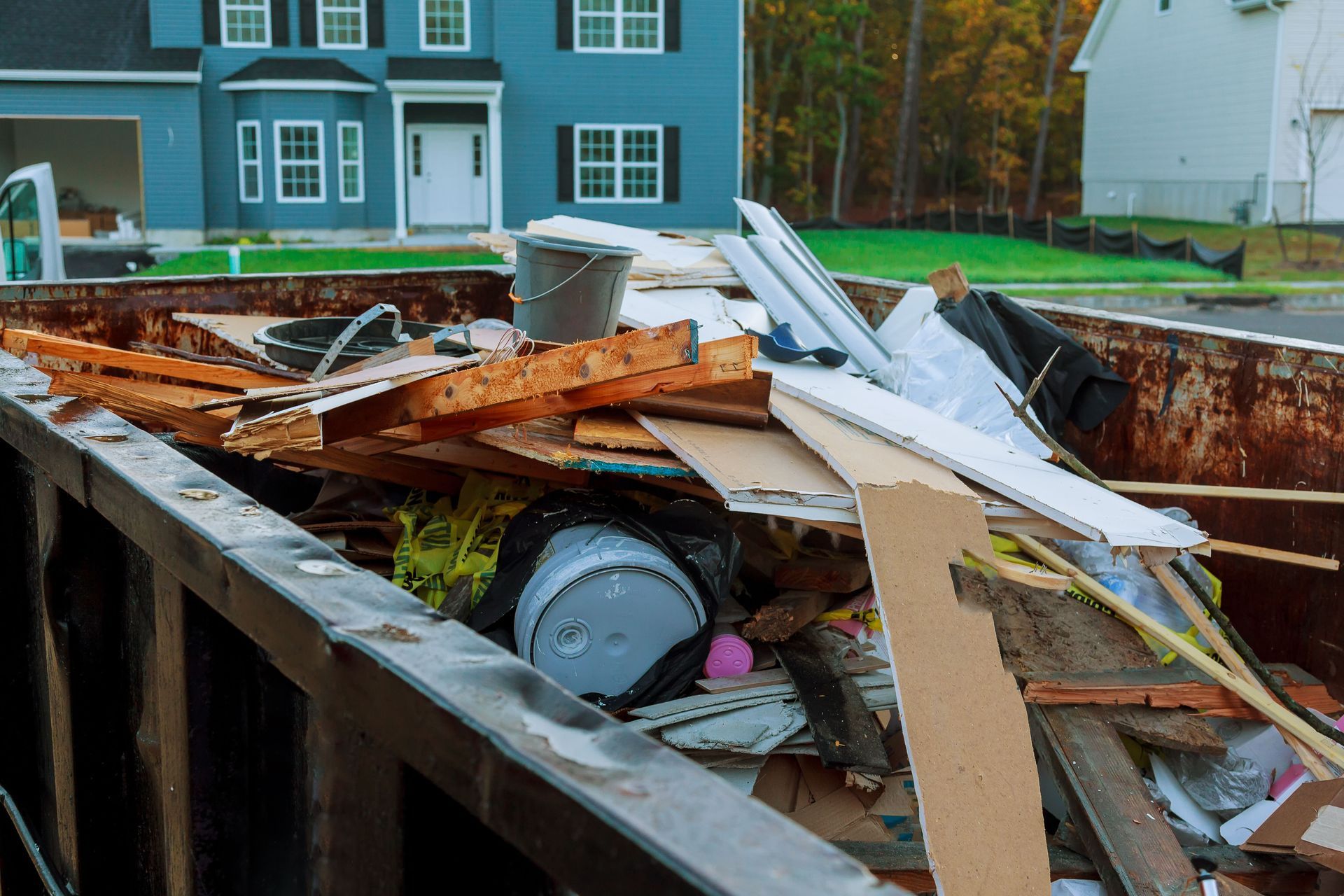
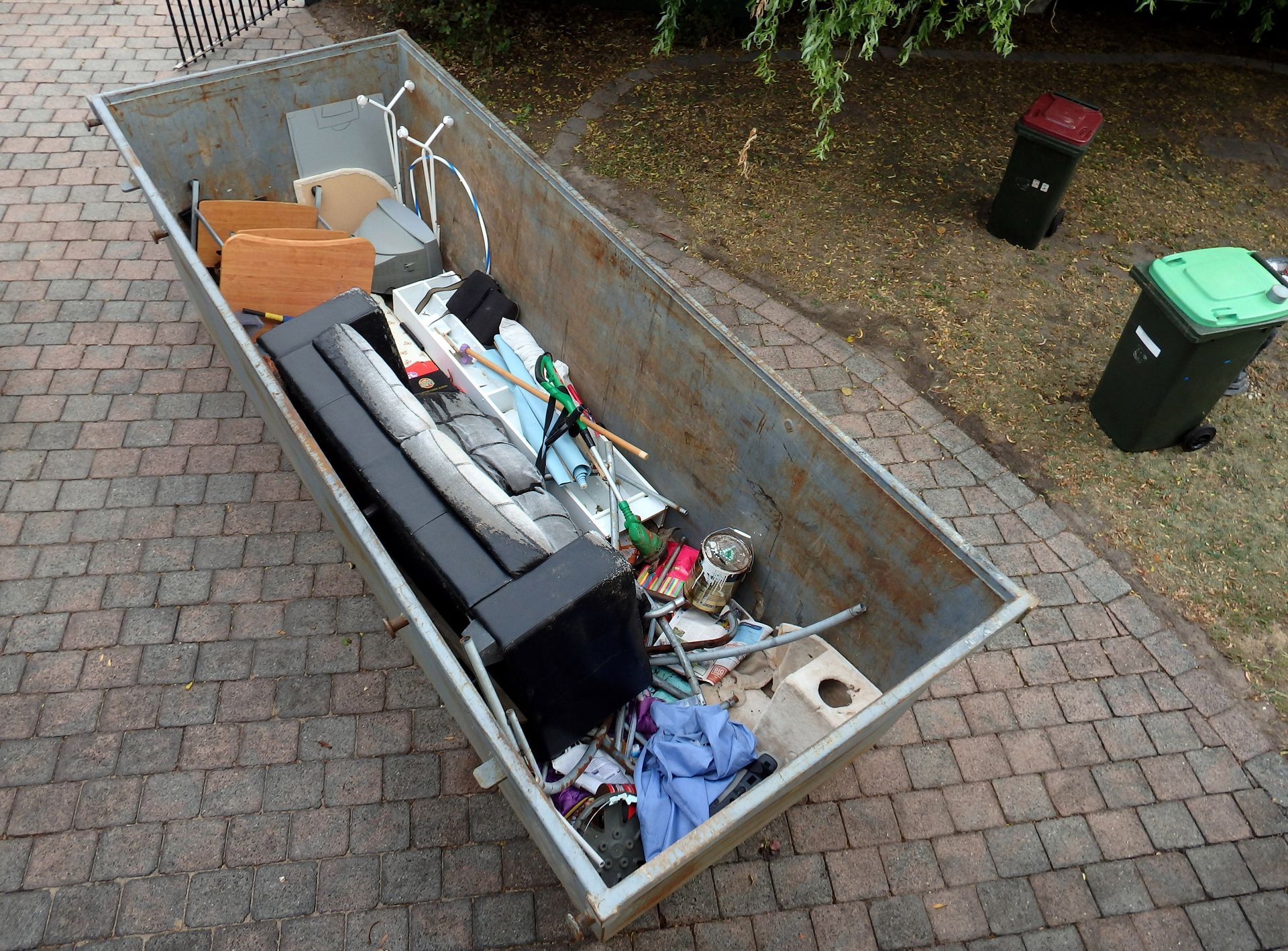
General household items make up the majority of waste placed into rental containers. When utilizing a residential dumpster service, homeowners can easily throw away broken furniture, old wooden chairs, worn-out rugs, framing lumber, drywall, and general clutter. Non-organic trash, clothing, toys, and cardboard boxes also fit within acceptable parameters.
Properly breaking down large items maximizes available space and prevents air pockets that waste valuable capacity. Knowing that these standard items are welcome allows for swift progress during intense decluttering sessions, making home improvement projects far more manageable and significantly less stressful for everyone involved.
Handling Outdoor Yard Waste Correctly
Landscaping updates generate substantial amounts of organic materials that require proper management. Utilizing a residential dumpster service allows for the easy removal of small tree branches, pulled shrubs, leaves, grass clippings, and garden debris. However, heavy materials like soil, rocks, and large tree stumps often carry strict weight limits or separate handling requirements.
Excess moisture and soil weight can quickly exceed allowed thresholds, leading to extra charges. Verifying specific yard waste policies beforehand prevents overweight fees and ensures that organic matter gets routed to appropriate composting or processing facilities rather than clogging municipal disposal systems.
Identifying Hazardous Materials to Avoid Penalties
Certain substances pose extreme risks to waste management workers and the surrounding environment. Toxic chemicals, wet paint, motor oil, pesticides, propane tanks, and asbestos must never enter standard waste containers. According to Bob Vila, four items that should never be put in a dumpster are batteries, power tools, tires, and gas tanks.
Flammable liquids and sealed containers can rupture or ignite under pressure, leading to severe truck fires or landfill contamination. Finding local hazardous waste collection sites is the safest approach for these restricted items, keeping workers safe and ensuring toxic materials are rendered completely harmless through specialized recycling protocols.
Managing Construction Debris and Remodeling Materials
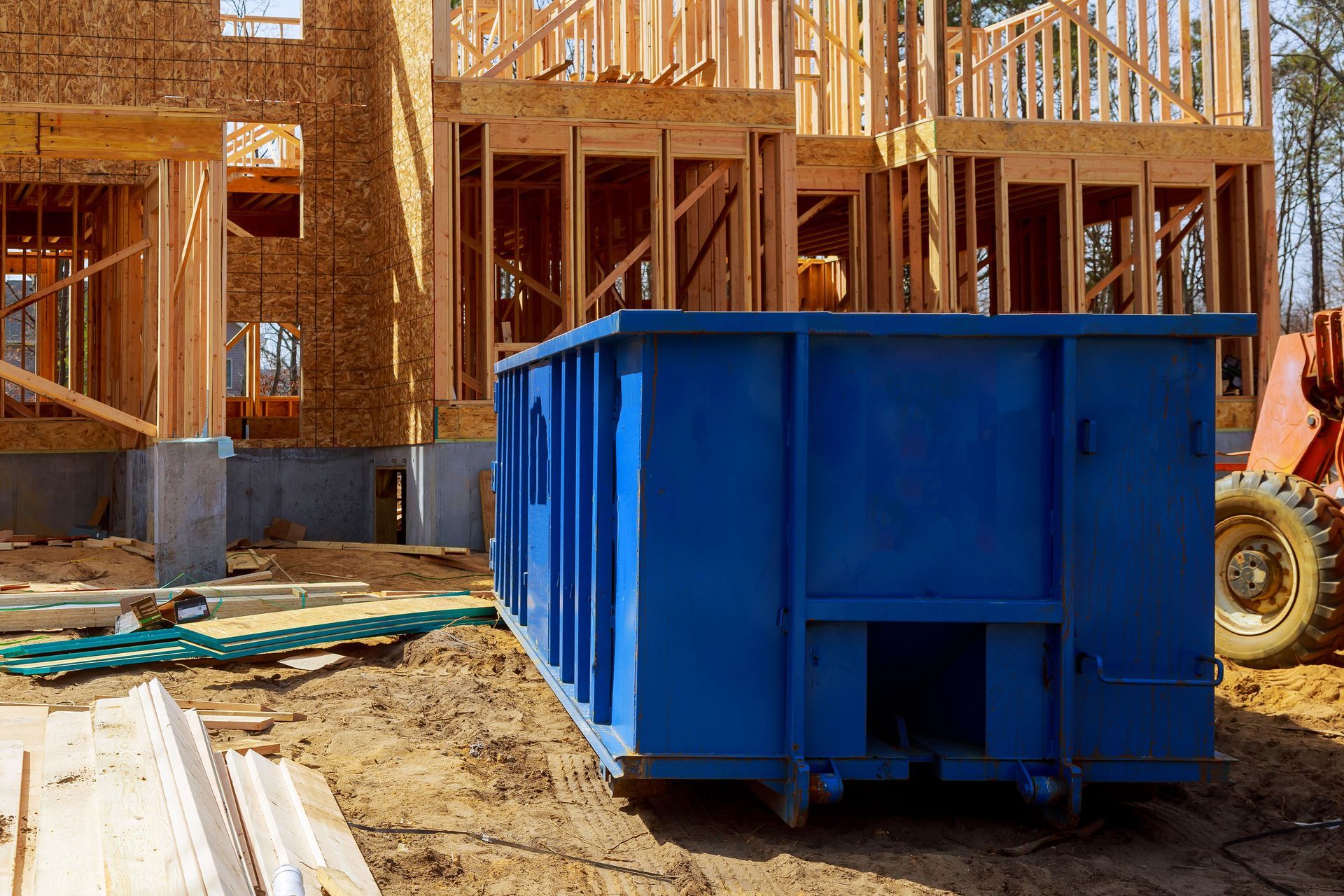
Home renovation projects generate heavy, dense debris that demands careful distribution within the container. When hiring a residential dumpster service, homeowners can dispose of tile, plaster, siding, insulation, and old cabinetry without significant hassle. However, exceptionally dense materials like concrete, brick, and asphalt must be managed cautiously to avoid exceeding weight limits.
Distributing weight evenly across the bottom of the container maintains stability during pickup and transportation. Keeping material levels below the upper rim ensures safe transit on public roads, preventing loose items from blowing into traffic or causing severe road hazards during highway transport.
Evaluating Electronics Disposal Protocols With Care
Modern households accumulate vast quantities of obsolete technology, from broken televisions and computer monitors to old desktop towers. These electronic items contain precious metals along with hazardous heavy metals like lead and mercury, making standard disposal unethical and often illegal. Many waste haulers prohibit electronics in general bins because state laws mandate dedicated e-waste recycling.
Dropping old electronics at designated collection hubs ensures valuable components are recovered safely while preventing toxic elements from leaching into surrounding groundwater. Keeping tech out of municipal bins remains a vital responsibility for every environmentally conscious homeowner today.
Addressing Weight Limits for Dense Rubble
Exceeding specified weight limits is one of the most common pitfalls during major cleanup projects. Even if an item is technically permitted, its heavy density can trigger substantial extra fees at the scale. Drywall, wet dirt, concrete slabs, and heavy wooden beams quickly add up, bringing the total weight far beyond initial estimates. Renters must monitor volume and material density simultaneously throughout the loading process.
Communicating clearly with your service provider about the types of heavy materials involved ensures you receive the correct container size, avoiding painful overweight charges when the truck arrives for final pickup.
Selecting Alternative Recycling Options From Local Facilities
Not every unwanted item belongs in a landfill-bound container, as many materials can find new life through alternative channels. Donating functional furniture, working appliances, and surplus building materials to local charities keeps useful goods out of the waste stream while helping community members in need.
Scrap metal yards often accept old metal pipes, copper wiring, and iron frames, sometimes providing monetary compensation in return. Exploring these alternative outlets reduces the total volume placed in your rental unit, saves money on container size, and supports sustainable local community resource networks effortlessly.
Organizing Heavy Items From Renovations Safely
Loading heavy items requires proper planning to maximize space and prevent personal injury. Heavy structural debris should always go into the container first, laid flat along the bottom to create a stable foundation. Lighter items, such as cardboard boxes, soft goods, and smaller household clutter, can then be packed on top to fill remaining gaps.
This balanced approach keeps the center of gravity low, ensuring safe transit when the hauling vehicle arrives. Mindful loading practices prevent structural damage to the bin floor and allow maximum volume utilization throughout your entire home cleanout experience.
Observing Appliance Disposal Regulations
Disposing of major home appliances requires strict adherence to environmental regulations. Refrigerators, freezers, and air conditioning units contain refrigerants like freon that harm the ozone layer if released improperly. These cooling appliances must have their chemical refrigerants professionally drained before entering any standard waste stream.
Washing machines, dryers, and stoves may be accepted by some services, but often carry separate handling charges or specific recycling demands. Checking appliance policies beforehand prevents frustrating delays, ensuring these heavy units are handled legally and recycled according to strict state and federal environmental protection mandates.
Proper planning makes residential waste disposal efficient, affordable, and safe for every property owner. Partnering with a reliable residential dumpster service provides the ideal framework for clearing out years of accumulated clutter or handling heavy renovation debris.
By strictly observing local guidelines, respecting weight limits, and keeping prohibited hazardous materials out of the bin, you avoid costly fines and environmental damage. Understanding what can and cannot be tossed empowers homeowners to execute cleanout projects with confidence.
Taking time to sort materials properly guarantees a successful, stress-free disposal experience from the moment the container arrives until final haul-away. Are you seeking a professional residential dumpster service in Murfreesboro, TN, and the surrounding areas? Dumpstar Solutions has you covered! Contact us today to book your dumpster rental.