November 21, 2026
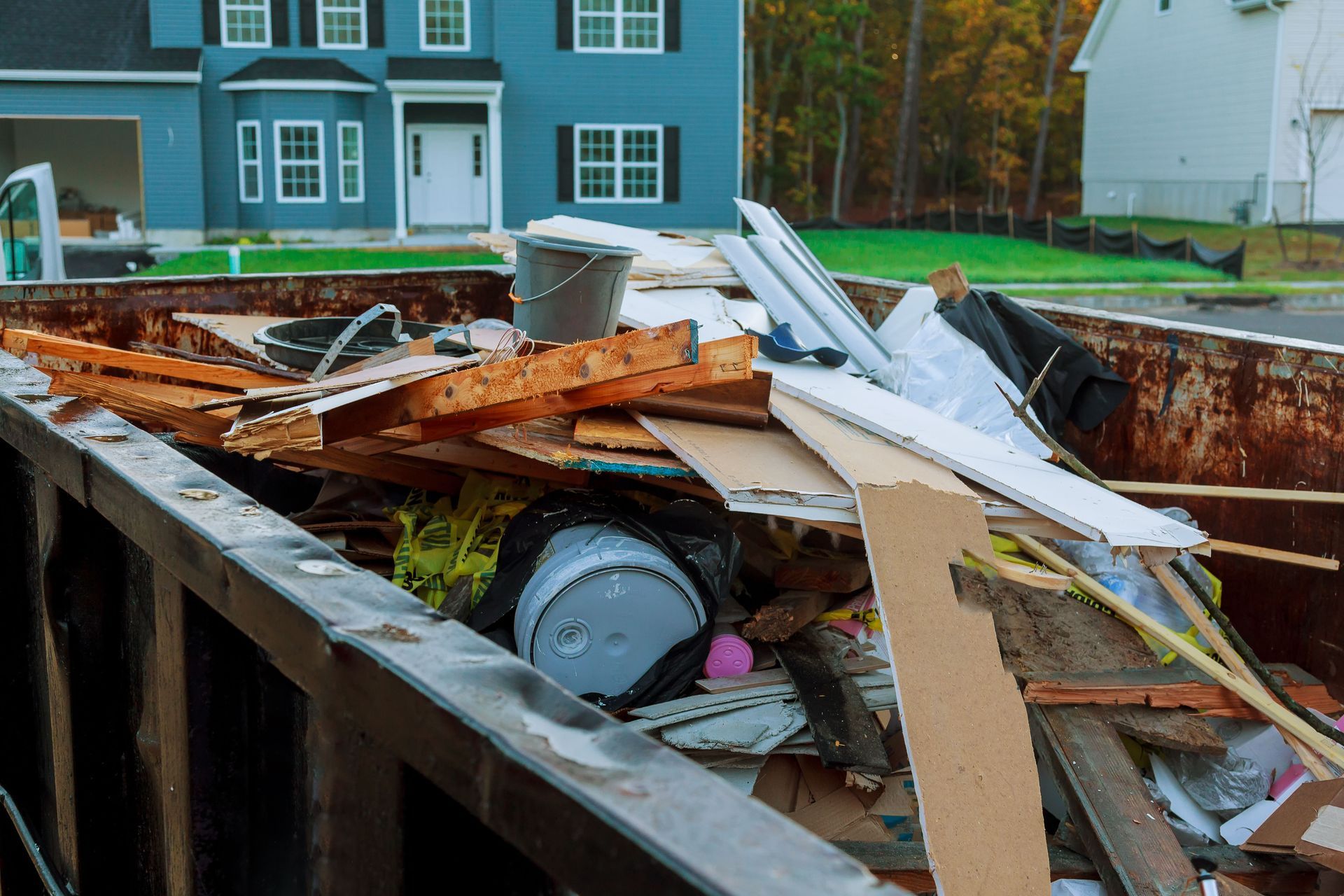
Undertaking a home project, whether it's a renovation, decluttering, or landscaping task, requires a strategic approach to waste management. Utilizing professional dumpster rental services streamlines this process, saving time, effort, and resources. Home projects can generate considerable waste, from construction debris to unwanted items during a declutter. Finding an efficient way to manage and dispose of this waste is crucial to keeping the project on track. By analyzing the benefits of renting a dumpster, this article will provide insights into simplifying waste management in home projects.
Understanding the Benefits of Dumpster Rentals
Simplifying On-Site Residential Project Waste Disposal
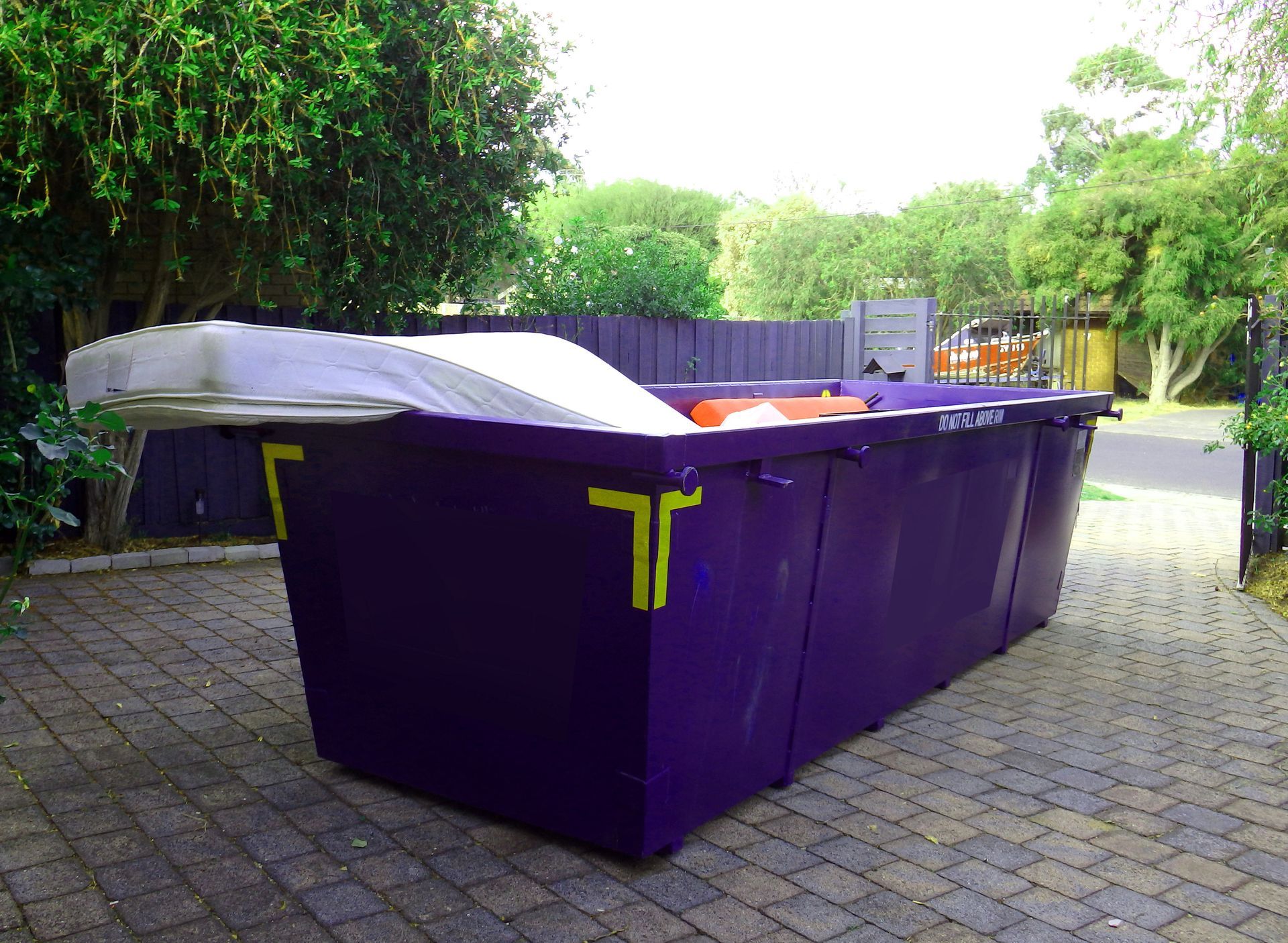
Renting a dumpster offers a centralized location for waste management, simplifying the disposal process. With a designated place for waste, homeowners can keep their project areas clean and organized. This convenient option reduces the need for multiple trips to local disposal facilities, saving time and effort. Dumpsters can be placed strategically on-site, allowing for easy access and quick waste removal. As a result, the project can move forward without unnecessary disruptions or delays.
Saving Valuable Project Hours and Labor
Time is a valuable resource in any home project, and renting a dumpster can help utilize it effectively. Having an on-site container allows for immediate disposal of waste, freeing up space for continued work. This eliminates the need for frequent pauses to handle clutter, enhancing project efficiency. Booking reliable dumpster rental services lets homeowners focus on the task at hand instead of spending time arranging for waste pick-ups. By minimizing interruptions, a dumpster rental keeps projects moving forward with increased momentum.
Lowering Overall Project Waste Disposal Costs
An analysis of rental expenses shows that dumpsters can be more economical than other disposal methods. The fixed cost of a rental covers a large volume of waste compared to individually priced trips to a landfill. This method also reduces hidden costs such as fuel for transportation or fees for disposal services. Moreover, different dumpster sizes are available to match project needs, preventing unnecessary expenditure. For home cleanouts, the 10-yard dumpster is a popular and cost-effective choice, according to World Metrics.
Choosing the Right Container Size and Type
Assessing Specific Project Debris Volume Needs
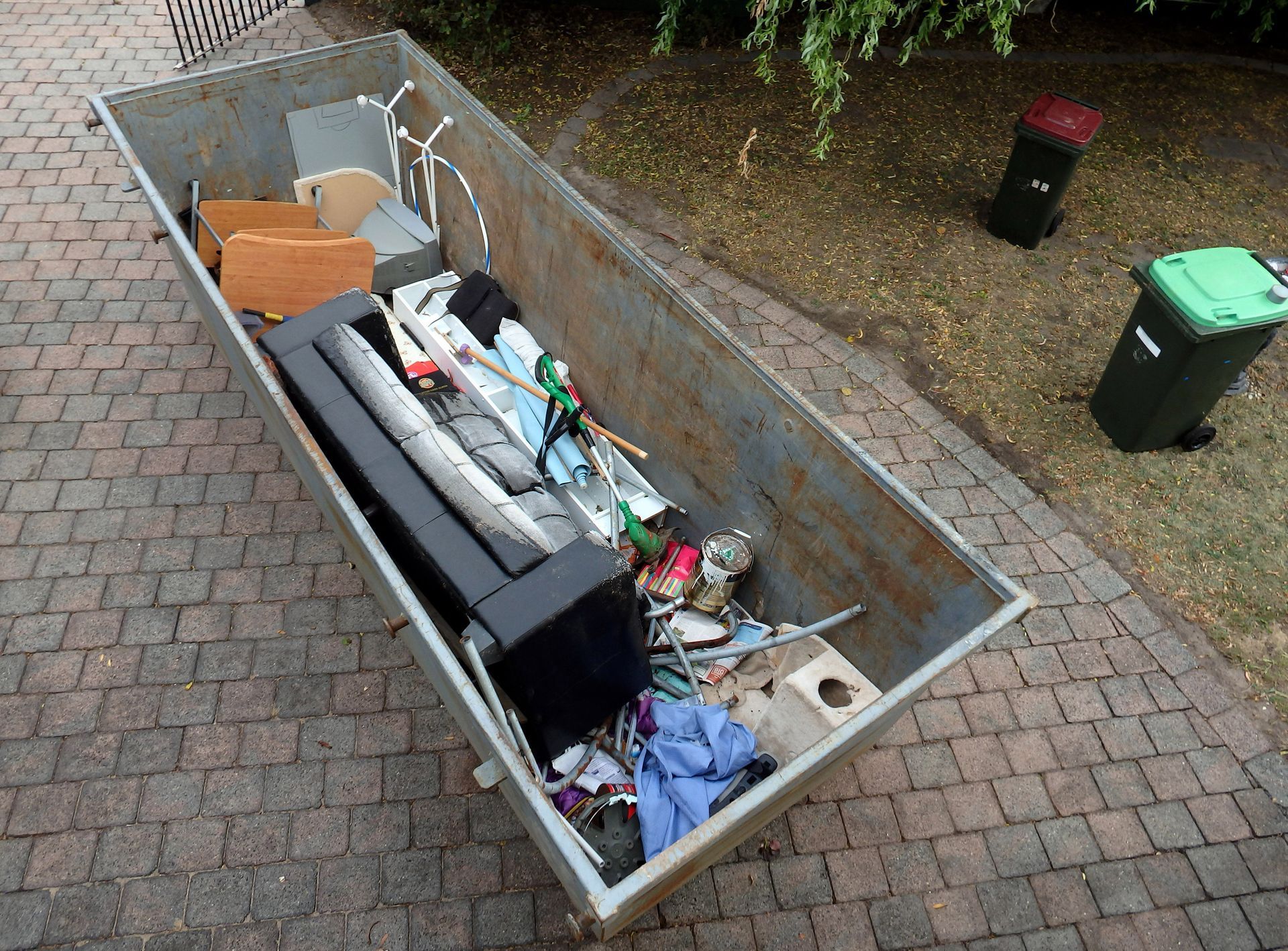
Identifying the most suitable dumpster size begins with a comprehensive understanding of project demands. It's vital to anticipate the volume and type of waste that will be generated. For example, a 10-yard dumpster might be ideal for residential cleanouts, as confirmed by popular rental trends. Accurate assessment prevents the issues of overloading or underutilization, ensuring cost-effective rental. Proper planning ensures optimal fit and maximizes efficiency in waste management.
Comparing Available Residential Dumpster Container Types
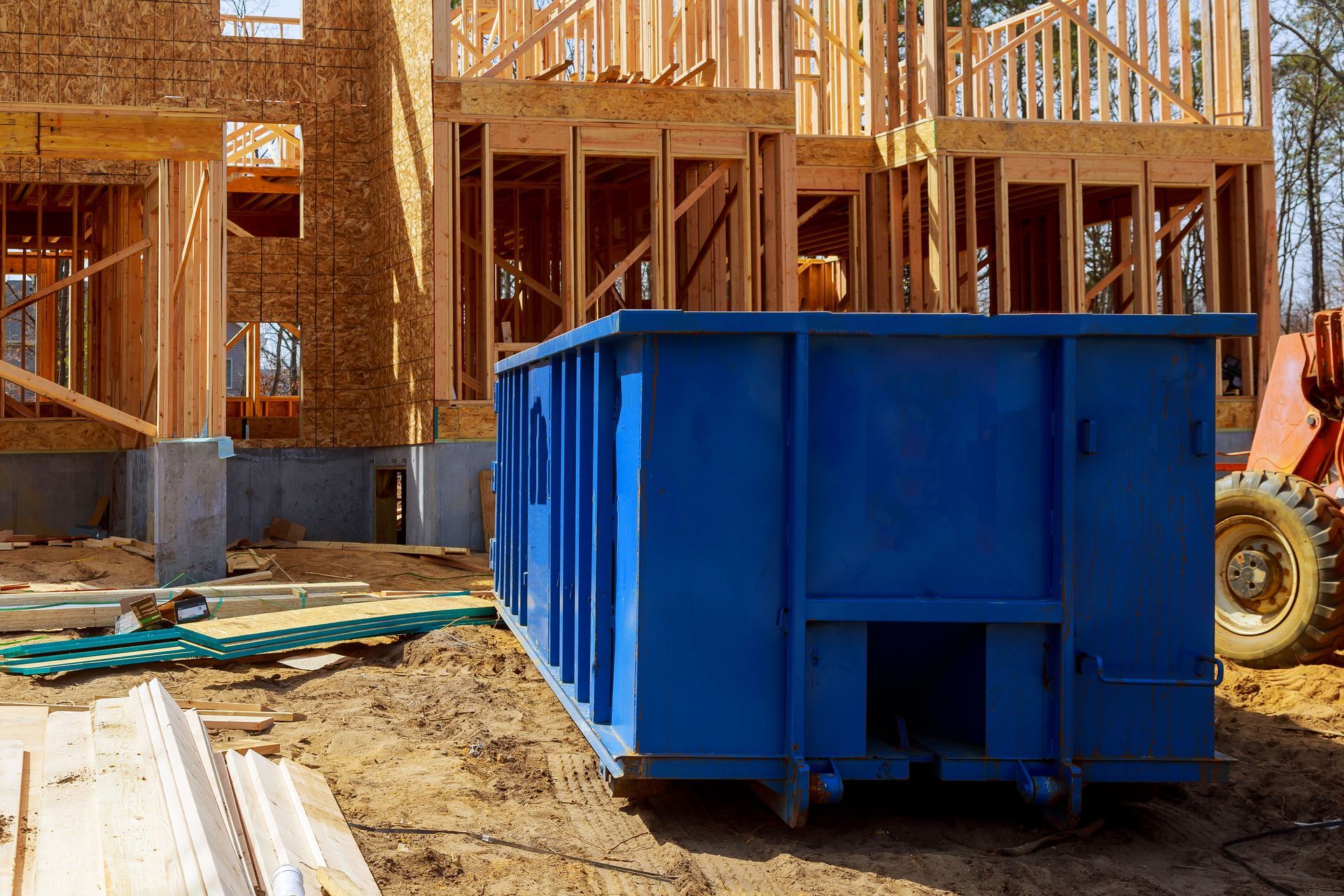
Understanding the various dumpster types available can guide more informed rental decisions. Roll-off dumpsters, for example, are common due to their ease of transport and placement. Front-load dumpsters might serve different needs, often associated with ongoing waste collection services. Evaluating design and capacity with your chosen dumpster rental services will help align the dumpster choice with specific project requirements. Making the right choice ensures waste is handled efficiently and effectively throughout the project duration.
Evaluating Driveway and Yard Placement Space
Space constraints must be considered when selecting a dumpster, as placement impacts accessibility and convenience. Identifying an appropriate location on-site ensures easy waste deposition without obstructing other activities. Residential areas may require careful planning to negate any disruptions to neighboring properties. Communication with rental companies regarding space limitations may lead to helpful placement solutions. Optimal placement not only facilitates waste management but also maintains aesthetic and functional site arrangements.
Navigating the Smooth Dumpster Rental Process
Planning and Scheduling Project Delivery Dates
Efficiently managing a rental involves precise planning and scheduling of all aspects of the process. Identifying the ideal rental timeframe ensures the dumpster is available exactly when needed. Advanced booking with local dumpster rental services benefits projects that require specific dates and avoids conflicts with provider availability. Scheduling pick-up in advance ensures prompt removal, returning the site to its normal state with minimal delay. Effective planning mitigates risks of interruptions and maximizes the rental investment.
Coordinating Safe Delivery and Driveway Placement
Coordination of delivery logistics ensures that the dumpster is placed efficiently, accessible for filling and transport. Strategic placement is crucial to maintaining a smooth workflow, preventing unnecessary obstructions. Homeowners must consider site access routes for safe and hassle-free delivery. Rental companies typically collaborate with clients to identify optimal placement based on site dynamics. Proactive management of delivery parameters secures a seamless integration of the dumpster into project operations.
Following Provider Usage Guidelines and Restrictions
Understanding usage guidelines is essential to avoid penalties and ensure proper waste disposal. Rental contracts typically specify acceptable materials, quantity limits, and prohibited content. Clear adherence to these guidelines prevents misunderstandings and maintains compliance with regulations. Education on rules provided by reputable dumpster rental services is vital to ensuring ethical and legal disposal practices throughout the project. Well-informed users can maximize dumpster efficiency while respecting the terms of their agreement.
Mitigating Environmental Impact During Home Projects
Separating Recyclable Materials Before Final Disposal
Recycling as much material as possible is vital in minimizing a project's environmental impact. Before disposal, separating recyclable materials such as metals, electronics, and paper can significantly reduce landfill contributions. Coordinating with recycling programs helps identify acceptable materials and maximize recyclable throughput. Sorting waste in advance can save time during takeaway and streamline recycling initiatives. By prioritizing recycling, home projects can demonstrate environmental consciousness and community responsibility.
Following Responsible Local Waste Disposal Practices
Responsible disposal practices protect both the environment and community health during home projects. Adhering to local regulations and landfill protocols ensures that waste is managed ethically and legally. Understanding permitted materials and restrictions helps avoid negative impacts or fines. Eco-conscious dumpster rental services often offer guidance on proper disposal methods, ensuring alignment with environmental laws. Commitment to sustainable disposal reflects positively on both the individual and wider community initiatives.
Keeping Prohibited Hazardous Materials Out of Containers
Disposing of hazardous materials improperly poses significant threats to both humans and ecosystems. Identifying prohibited substances such as chemicals, batteries, and specific electronics is crucial. These materials require separate handling and should be disposed of through appropriate channels, not in regular dumpsters. Ensuring hazard-free waste collection protects all stakeholders engaged in waste management. Working with experts and leveraging their knowledge reinforces safe and compliant disposal practices.
Maximizing Overall Efficiency in Home Projects
Integrating Waste Management into Project Timelines
Strategically embedding waste management into the project timeline maximizes resource utilization and progress. Coordinated plans prevent waste accumulation, allowing for uninterrupted workflow and timely advancement. Understanding disposal needs from the onset ensures thorough preparation and alignment with project goals. A synchronized approach pairing dumpster rental services with broader task management improves overall efficiency. Integrating waste management into planning minimizes downtime, optimizing output and productivity.
Organizing On-Site Debris Collection and Sorting
Efficient debris organization is paramount to just-in-time waste removal, enhancing operational fluidity. Designating specific collection areas maintains order and aids quick subsequent removal. Sorting waste into categories streamlines the loading process and reduces onsite disorder. Consistent efforts in organization cultivate habitually smooth waste practices, lightening project workload. A collaborative collection strategy aligns tasks with clean outputs, sustaining project efficiency and progress.
Eliminating Repeat Trips to Local Landfills
Reducing trips to the landfill cuts down on fuel consumption, time, and associated costs. Centralized waste collection with a dumpster optimizes resource distribution and maximizes operational economy. Limiting unnecessary trips helps conserve energy and extends the project's logistical capacity. Such strategic advantages further enhance the project's overall carbon footprint reduction. Using dumpsters effectively fosters continuous production and optimized resource allocation.
Incorporating dependable dumpster rental services into your home project plan can lead to significant improvements in waste management efficiency, cost savings, and environmental responsibility. By understanding the intricacies of selecting the right dumpster, the rental process, and maximizing efficiency, homeowners can significantly enhance the success and sustainability of their projects. The strategic application of dumpsters effectively resolves waste concerns while inspiring smoother, stress-free renovations from start to finish.
Simplify your upcoming cleanup or renovation with fast delivery and reliable waste removal by contacting Dumpstar Solutions today to reserve your dumpster!